

Complementary Therapies
for Breast Cancer
“Healing does not happen in a doctor’s office, it happens at home.“
Junnifer Simmons M.D
Many people have survived cancer against all the odds. How did they do it?
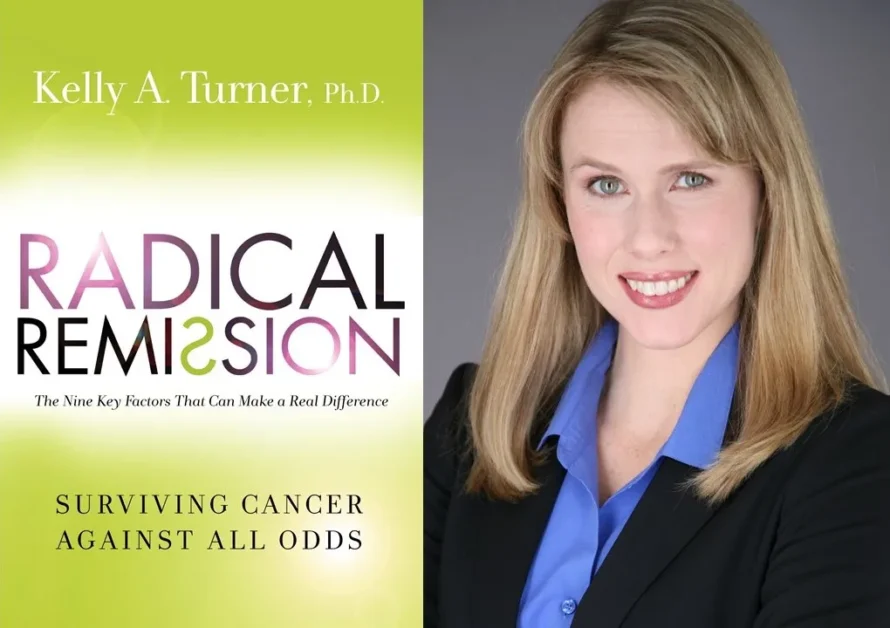
For her ground-breaking book Radical Remission: Surviving Cancer Against All Odds Dr Kelly Turner, PhD studied over 1000 cases of people who recovered from cancer against all odds. She found 10 key factors that most of these people used to get better.
These 10 key factors are included below – along with other therapies and strategies shown to increase survival in cancer patients, that you can add to your main cancer treatment. Also included are additional therapies and strategies that were either proven beneficial in studies, or recommended by cancer experts or recovered patients.
Before starting treatment
If you haven’t started treatment yet (or just started recently) please see Before starting treatment page for helpful tips.
Important updates on surgery and chemotherapy.
See Latest Updates on Breast Cancer Treatments
Jump to:
Heal Your Body, Mind, and Spirit.
Add off-label anti-cancer Drugs
Heal Your Body, Mind, and Spirit.

Start Daily Physical Exercise (if possible)
✓ Studies have shown that this extends survival in cancer patients.
✓ One of the 10 key healing factors identified by Dr Kelly Turner
Exercise to improve breast cancer survival
A large cohort study involving 2987 female registered nurses who were diagnosed with stage I, II, or III breast cancer found that women who exercised moderately (the equivalent of walking 3 to 5 hours per week at an average pace) after a breast cancer diagnosis had approximately
40% to 50% lower risks of breast cancer recurrence, death from breast cancer, and death from any cause compared with more sedentary women.
See more on Physical Exercise page.

Eat a plant-based Diet
✓ Studies have shown that this extends survival in cancer patients.
✓ One of the 10 key healing factors identified by Dr Kelly Turner
A plant-based diet is an eating pattern that centers on foods from plants, including fruits, vegetables, whole grains, legumes, nuts, and seeds.
Why a plant-based diet is critical for survival
Cancer Stem Cells are the only cells that can give rise to new tumors. There is no known way of eliminating them medically. This is why cancers usually recur (come back). However, Dr Young S. Kim, a scientist at the National Cancer Institute in the US showed that poor diet causes cancer stem cells to regrow while a good diet could stop that regrowth.
In addition, many elements of the standard Western diet and lifestyle FEED cancer or promote inflammation and need to be eliminated. These include:
- Alcohol (some studies show one small glass with main meal may be beneficial) See study below.
- Meat and animal protein (including eggs).
- Cows’ dairy: milk, cheese, yogurts etc
- Processed Foods
- Processed meat, such as bacon, sausage, and lunchmeat. Bacon, ham and sausages rank alongside cigarettes as a major cause of cancer, the World Health Organisation
- Foods high in added sugar such as fizzy drinks, fruit juices, desserts, sweets,etc.
- Deep fried items such as French fries, fried chicken and donuts.
- Trans fats – in baked goods, fried foods, spreads like margarine, and snack foods.
- Commercial baked goods such as cakes, pies, and cookies.
- Bread and pasta made with white flour.
The American Cancer Society says: Research shows that a healthy eating pattern, which tends to be low in red and processed meats, is associated with higher overall survival for people with breast and prostate cancer. On the other hand, a “Western-style” diet, which is high in red and processed meat, high-fat dairy, refined grains, French fries, sweets and desserts, is associated with shorter survival in breast, colorectal, and prostate cancers, and also may increase the risk that colorectal cancer will come back.
Dana-Farber Cancer Institute reports: Patients with stage III colon cancer who have undergone surgery and chemotherapy with the goal of cure may have a higher risk of relapsing and dying early if they follow a predominantly “Western” diet of red meat, fatty foods, refined grains, and desserts, according to research led by investigators at Dana-Farber Cancer Institute in Boston.
The research involved 1,009 patients who recorded their dietary intake on questionnaires for six months after chemotherapy, and researchers then tracked them for cancer recurrence or death.
Researchers found that cancer tended to recur significantly faster in participants whose diets most closely followed the Western pattern. A Western diet was also associated with a lower overall survival rate.
Here is some of the evidence:
A good diet improve survival
The authors of this 2020 study involving 8,927 women with stage I–III breast cancer observed better overall survival after breast cancer diagnosis among women with higher vegetable consumption; specifically, green leafy vegetables, cruciferous vegetables, and fruit.
A study by Vanderbilt-Ingram Cancer Center and Shanghai Center for Disease Control and Prevention, of 4,886 Chinese breast cancer survivors diagnosed with stage 1 to stage 4 breast cancer found cruciferous vegetable intake during the first 36 months after diagnosis was associated with a
27% to 62% decrease in total mortality,
22% to 62% decrease in risk for breast cancer-specific mortality, and
21% to 35% decrease in risk for recurrence.
This study involving 1,897 participants diagnosed with early-stage breast cancer found that regular drinking equivalent to three to four standard drinks or more per week was associated with a 1.3-fold and 1.5-fold increased risk of breast cancer recurrence and breast cancer death, respectively. The increased risk of recurrence appeared to be greater among postmenopausal and overweight and obese women. Alcohol intake was not associated with all-cause death and possibly associated with decreased risk of non–breast cancer death.
Did you know?
Soy isoflavone significant reduced risk of Breast Cancer recurrence
This study analysed 9514 breast cancer survivors. Soy isoflavone intake was associated with a statistically significant reduced risk of recurrence. See also Haelan 951 (A fermented soybean-derived beverage)
Flaxseed significantly reduces breast cancer mortality
This study assessed the prognosis of 1,140 postmenopausal patients with breast cancer age 50 to 74 years. Results: Higher serum enterolactone [found in flaxseed] levels were associated with significantly reduced hazard ratios for death only for estrogen receptor–negative tumors but not for estrogen receptor–positive tumors.
More info at Radically change your diet

Add Herbs, Plant Extracts, and Supplements
✓ Studies have shown that this extends survival in cancer patients.
✓ One of the 10 key healing factors identified by Dr Kelly Turner
Broccoli sprouts
This 2019 study found:
Fifteen capsules with pulverized broccoli sprouts … were administered daily for up to 1 year. Twenty-nine patients were included in the treatment group and 11 patients were in the placebo group; these patients were followed for up to 1 year… Compared to those of the placebo group, the mean death rate was lower in the treatment group during the first 6 months after intake…and Kaplan-Meier analysis revealed a higher survival rate. See more at Broccoli Sprout Extract
Curcumin (Supplement)
This Systematic Review of 22 studies concluded: In several other studies, it was reported that curcumin has increased patient survival.
See Curcumin
Fish oil and Glucosamine
This large prospective cohort study [14,920 participants – including 4,889 breast cancer] showed that the use of fish oil and glucosamine was associated with decreased all-cause mortality and cancer mortality among patients with cancer.
Green Tea Epigallocatechin gallate (EGCG))
This study concluded: The use of EGCG could enhance the effect of conventional cancer therapies through additive or synergistic effects as well as through amelioration of deleterious side effects.
Matcha Green Tea
This study says: …results indicate that the concentration of EGCG available from drinking matcha is 137 times greater than the amount of EGCG available from China Green Tips green tea, and at least three times higher than the largest literature value for other green teas.
VEGF (vascular endothelial growth factor) is the main proteins required for the development of new blood vessels to feed tumors. Green Tea inhibits VEGF, according to this study
Quercetin
Study: Quercetin has been shown to inhibit the proliferation of a wide range of cancers such as prostate, cervical, lung, breast, and colon.
Study: In conclusion, quercetin, a natural flavonoid, holds the potential to inhibit cancer cell proliferation, induce apoptosis, and prevent metastasis. It has demonstrated significant therapeutic value, especially in TNBC, a subtype that lacks effective therapeutic targets. By modulating key signaling pathways and enhancing immune responses, quercetin effectively curbs tumor progression.
Review: The power of quercetin to change epigenetics, which can directly control the appearance of miRNA and how much DNA is methylated, can help fight cancer and make tumor cells more open to treatment.
Melatonin
A hormone secreted in the brain during the night – available as a supplement.
In this study, 250 metastatic cancer patients received Melatonin plus chemo, or chemo alone.
The 1-year survival rate was significantly higher in patients treated with Melatonin
This meta-analysis of eight randomized controlled trials concluded: Melatonin is effective in suppressing neoplastic growth in a variety of tumors like melanoma, breast and prostate cancer…
Melatonin as an adjuvant therapy for cancer led to substantial improvements in tumor remission,
1-year survival, and alleviation of radiochemotherapy-related side effects.
This Review made the following observations:
Several clinical trials have suggested the potential of melatonin in the management of breast cancer. In one study, 14 metastatic breast cancer patients who were unresponsive to tamoxifen alone were given 20 mg melatonin daily in the evening along with tamoxifen. A response was achieved in 28% of these patients… Studies have also found a correlation between a decrease in nocturnal melatonin and an increase in tumor size in individuals with primary breast cancer.
See Melatonin
Omega-3 fatty acids (DHA/EPA)
Study: We do not have definitive studies to demonstrate that n-3 fatty acids would reduce the growth of cancer metastasis or decrease the rate of cancer recurrence. However, the bulk of the available evidence indicates that increasing the amount of n-3 fatty acids in the diet will be beneficial to cancer survival.
Berberine
This 2020 Review article says: Berberine (BBR) exerts its anti-inflammation and antioxidant properties, and also regulates tumor microenvironment. This review emphasized that BBR as a potential anti-inflammation and antioxidant agent, also as an effective immunomodulator, is expected to be widely used in clinic for cancer therapy.
This Article published in Frontiers in Pharmacology says:
Berberine can inhibit the migration and invasion of tumors
Berberine can promote tumor cell apoptosis
Berberine can block the cell cycle of tumor cells
Berberine can inhibit tumor proliferation
Berberine can induce autophagy of tumor cells
See Berberine
Paw Paw Cell-Reg (PawPaw extract)
In this study of 94 patients with stage 4 cancer patients resulted in inhibition of further metastases and increased duration of survival.
More on Herbs, Plant extracts, and Supplements page
Resveratrol
Study: A vast body of experimental in vivo and in vitro studies and a few clinical trials has presented evidence of resveratrol’s great potential as an anti-cancer agent, both for the prevention and therapy of a large range of cancers. Resveratrol has a very low toxicity, and, although it has multiple molecular targets, it acts on different protective and common pathways that are usually altered in a great number of tumors. This suggests that resveratrol may be more suitable for use as an anti-carcinogen and it can also effectively exert it antineoplastic effects in conjunction with diverse chemotherapeutics and targeted therapies.
Ukrain
✓ Studies have shown that this extends survival in cancer patients.
Ukrain is a drug based on the extract of the plant Chelidonium majus L (greater chelandine). It is claimed to be effective against a range of cancers. The Ukrainian Anti Cancer Institute has this on it’s website:
This study concludes:
…our data suggest that Ukrain could be effective as an anticancer drug for breast cancer due to its short-term and long-term inhibitory effects on tumor cell viability and proliferation.
See UKRAIN
See more options on Herbs, Extracts, and Supplements page
Taking supplemental antioxidants during chemo etc.
Common examples of supplemental antioxidants include vitamins C and E, selenium, zinc, and beta-carotene.
Some oncologists discourage the use of supplemental antioxidants claiming they could interfere with treatment. This is based on naive and inaccurate assumptions says this study.
For example, this study says
In 15 human studies, 3,738 patients who took non-prescription antioxidants and other nutrients actually had increased survival.

Heal Emotionally and Spiritually
✓ Studies have shown that these extends survival in cancer patients.
✓ One of the 10 key healing factors identified by Dr Kelly Turner
Increase positive emotions
Several studies have shown that a positive attitude or emotional state can boost your chances of surviving cancer. In one study, among patients with metastatic cancers, those who expressed greater hope at the time of their diagnosis survived longer.
Go to Increase positive emotions
Release suppressed emotions
This 2022 study involving 155 female breast cancer patients found a link between earlier trauma and breast cancer. It found that patients’ repression of negative emotions could contribute to the development of a more aggressive Breast Cancer type.
This study involving 847 women diagnosed with invasive breast cancer looked at breast cancer survival and found that expression of emotion was related to better survival, and suppression of emotion was associated with worse survival.
Go to Release suppressed emotions
Deepen your spiritual connection
Research shows that in cancer care, being spiritual can have a powerful positive effect on your outcome.
This study says: A meta-analysis of data from 42 independent samples examining the association of a measure of religious involvement and all-cause mortality is reported. Religious involvement was significantly associated with lower mortality , indicating that people high in religious involvement were more likely to be alive at follow-up than people lower in religious involvement.
In this study, data were drawn from 101 unique samples encompassing over 32,000 patients. The study concluded: Results of the current meta-analysis suggest that greater religion/spirituality is associated with better patient-reported physical health.
The authors of this study of 2,638 patients treated at 37 palliative care units said their findings suggest the possibility of a positive relationship between spiritual care and survival time in patients with far advanced cancer.
Go to Deepen your spiritual connection
Take control of your health
✓ One of the 10 key healing factors identified by Dr Kelly Turner
Studies suggest that people who take control of their physical, mental, and spiritual health tend to live longer. See Take control of your health
Have strong reasons for living
✓ One of the 10 key healing factors identified by Dr Kelly Turner
A strong reason to live – like wanting to see your children grow up – can affect your mental state and survival. See Have strong reasons for living
Follow your Intuition
✓ One of the 10 key healing factors identified by Dr Kelly Turner
Intuition (a hunch) is the ability to understand something instinctively. It can save your life if you follow it. See Follow your intuition

Address Parasites, Bacteria, and Viruses
✓ Studies have shown that this extends survival in cancer patients.
The National Cancer Institute says: Certain infectious agents, including viruses, bacteria, and parasites, can cause cancer or increase the risk that cancer will form. Some viruses can disrupt signaling that normally keeps cell growth and proliferation in check. Also, some infections weaken the immune system, making the body less able to fight off other cancer-causing infections.
In a study, Breast cancer showed the highest occurrence (32/43.8%).
NOTE: There is real scientific and public interest in Ivermectin, Fenbendazole, and Mebendazole but the human data are early and limited. They are included here because there is a lot of anecdotal evidence that they are effective anti-cancer treatments.
Ivermectin
Ivermectin is a broad-spectrum anti-parasitic agent, primarily deployed to combat parasitic worms in veterinary and human medicine. This unprecedented compound has mainly been used in humans as an oral medication for treating filarial diseases but is also effective against other worm-related infections and diseases, plus several parasite-induced epidermal parasitic skin diseases, as well as insect infestations…
…Over the past few years, there have been steadily increasing reports that ivermectin may have varying uses as an anti-cancer agent, as it has been shown to exhibit both anti-cancer and anti-cancer stem cell properties. – The Journal of Antibiotics
Fenbendazole
Fenbendazole belongs to a group of medicines called anthelmintics that are used to treat parasites, including worms.
This 2024 study states:
With its high safety profile, affordability, and minimal side effects, fenbendazole stands out as a potential option for cancer therapy. Moreover, fenbendazole is easy to acquire and can be administered orally, offering a less invasive treatment that can increase patient adherence. Furthermore, by inhibiting glycolysis in cancer cells and preventing lactate buildup, fenbendazole surpasses albendazole and mebendazole in treating drug-resistant cells, making it the benzimidazole of choice for cancer therapy.
Mebendazole
Mebendazole is used to treat infections caused by worms, sold under the brand name Vermox
This is from a 2023 study:
Mebendazole can penetrate the blood–brain barrier and has been shown to inhibit the malignant progression of glioma by targeting signaling pathways related to cell proliferation, apoptosis, or invasion/migration, or by increasing the sensitivity of glioma cells to conventional chemotherapy or radiotherapy. Moreover, several preclinical models and ongoing clinical trials explore the efficacy of Mebendazole in multiple cancers, including acute myeloid leukemia, brain cancer, oropharyngeal squamous cell carcinoma, breast cancer, gastrointestinal cancer, lung carcinoma, adrenocortical carcinoma, prostate cancer, and head and neck cancer.
Artemisinin
This Study says: Artemisinin is a sesquiterpene obtained from sweet wormwood (Artemisia annua) which elicits antimalarial, antiparasitic, anti-fungal, antiretroviral, anticancer and anti-schistosomiasis activities. See Artemesinin
This study says: Experimental evidences suggest that artemisinin compounds may be a therapeutic alternative in highly aggressive cancers with rapid dissemination, without developing drug resistance. They also exhibit synergism with other anticancer drugs with no increased toxicity toward normal cells. It has been found that semisynthetic artemisinin derivatives have much higher antitumor activity than their monomeric counterparts via mechanisms like apoptosis, arrest of cell cycle.
See Parasites, Bacteria, and Viruses

Practice Nightly Fasting
✓ Studies have shown that this extends survival in cancer patients.
In this study of 2413 women with breast cancer, nightly fasting duration of less than13 hours per night was associated with a 36% higher hazard for breast cancer recurrence compared with fasting 13 or more hours per night. Conclusions: Prolonging the length of the nightly fasting interval may be a simple, nonpharmacologic strategy for reducing the risk of breast cancer recurrence.
Go to Fasting as a cancer treatment

Heal your gut
✓ Studies have shown that this extends survival in cancer patients.
All illness starts in the gut
The Human Microbiome Project (40 Medical Schools, 200 scientists, 3 years, $178 million) concluded, they get ill first, then you get ill. And you can’t get fully better, until they get better.
According to this study, cancer patients run a great risk of developing enteroparasitic infections, as they are more susceptible to opportunistic agents due to anticancer treatment and are already immunocompromised because of the disease itself. These opportunistic infections are usually more severe in this group of individuals, and may even lead to fatal complications. Of the 73 participants in the study, 45 (61.6%) were positive for one or more parasitic species…
This 2020 Review article says: …there is evidence that the gut microbiome plays an important role in breast cancer survival…
This study says:
Scientific advances have identified a subset of the gut microbiota: the estrobolome, those bacteria that have the genetic capability to metabolize estrogen, which plays a key role in most breast cancers.
An expert in this area is Chris Woollams, a former Oxford University biochemist, founder of the UK’s leading cancer charity CANCERactive, and author of Heal your gut – Heal your body.
You can check out his protocol and more info on Heal your Gut page

Boost your Immunity – most cancer types
✓ Studies have shown that this extends survival in cancer patients.
A good immune system can work for or against you!
This 2019 study by Yuexin Liu, MD Anderson Cancer Center looked at the effect pre-existing immune conditions had on cancer. A total of 10,062 PanCanAtlas tumor samples had both gene expression and survival data, covering 32 different cancer types.
The results showed that in the majority of human cancers, higher immune response was significantly associated with better Overall Survival, Progression Free Interval, or both, which was in agreement with previous reports that pre-existing immunity is probably necessary for most treatment response.
The study also demonstrated that in some cancer types higher immune response is significantly associated with worse outcome.
In particular, higher immune responses were significantly correlated with longer Overall Survival in 7 cancer types:
breast invasive carcinoma,
cervical squamous cell carcinoma and endocervical adenocarcinoma,
head and neck squamous cell carcinoma,
lung adenocarcinoma,
sarcoma,
skin cutaneous melanoma
uterine corpus endometrial carcinoma.
In contrast, higher immune responses were significantly correlated with shorter Overall Survival in four cancer types:
kidney renal clear cell carcinoma,
low-grade glioma,
thymoma,
uveal melanoma.
A high immune response in triple negative breast cancer is associated with better survival.
However, survival was negatively correlated with immune activity in ER-positive/HER2-negative breast cancer.
A good diet, Daily exercise and Meditation can boost your immune system.
Go to Boost your immunity

Get lots of sunshine / boost your vitamin D
✓ Studies have shown that this extends survival in cancer patients.
Vitamin D is crucial to the working of your immune system – study.
Research has shown that women with breast cancer who initiated vitamin D supplements within the first 6 months of their diagnosis had substantially lower breast cancer-specific mortality.
This study by Irish Researchers says:
Our original cohort comprised of 5417 women from the linked NCRI-PCRS databases with a diagnosis of stage I–III breast cancer between the ages of 50–80 years, who were not dispensed vitamin D supplements before diagnosis.
Of these, 2581 (49%) initiated any vitamin D use after breast cancer diagnosis and the vast majority (98%) of these were on a vitamin D and calcium combination drug.
Our results were users who initiated vitamin D supplements within the first 6 months of their breast cancer diagnosis had a substantially lower breast cancer-specific mortality.
We found that de novo post-diagnostic vitamin D use was associated with a 20% reduction in breast cancer-specific mortality in this large cohort study. In additional analysis, we found the reduction in breast cancer-specific mortality was even greater at 49%, if vitamin D use was initiated soon after the breast cancer diagnosis (within 6 months).
Note: Chemo depletes Vitamin D levels so 10,000 IUs daily is recommended for cancer patients – ask your doctor first.
If you cannot get adequate sunshine you’ll need to supplement.
A research article which analyzed a number of studies, found:
There is support in the medical literature to suggest that the 17% increase in breast cancer incidence during the 1991-1992 year may be the result of the past decade of pervasive anti-sun advisories from respected authorities, coinciding with effective sunscreen availability; and
Trends in the epidemiological literature suggest that approximately 30,000 U.S. cancer deaths yearly would be averted by the widespread public adoption of regular, moderate sunning.
Go to Vitamin D

Embrace Social Support
✓ One of the 10 key healing factors identified by Dr Kelly Turner
Social support: A network of family, friends, neighbors, and community members that is available in times of need to give psychological, physical, and financial help.
When cancer patients seek and receive help from family and others, they often find it easier to cope during illness.
This study says: Research suggests that social support has an impact on physical health, well-being and adjustment to cancer of cancer patients.
See Embrace social support

Identify and remove your cancer’s fuel
✓ Studies have shown that this extends survival in cancer patients.
Diet and Lifestyle are among the causes of up to 90 percent of cancers, according to this paper published in the prestigious journal Nature.
The following may be causing or feeding your cancer:
Parasites, Bacteria, and Viruses
Toxins in your body, air. food, water
Geopathic stress
Grief, Distress, or other emotional turmoil
Toxic Relationships
According to a Ohio State University study breast cancer patients who have a poor relationship with their spouse may face a more difficult road to recovery than would other women.
Researchers found that, over five years, patients in distressed marriages had higher levels of stress, less physical activity, slower recovery and more symptoms and signs of illness than did similar patients who reported good marriages.
Go to Identify what is fuelling your cancer

Maintain a healthy weight
✓ Studies have shown that this extends survival in cancer patients.
Research indicates that obesity may worsen several aspects of cancer survivorship, including quality of life, cancer recurrence, cancer progression, and prognosis (survival).
This 2021 study involved 351 women who had completed curative treatment for breast cancer, more than 6 months before randomization. It found exercise and weight loss are associated with decreased breast cancer recurrence, which may be mediated through reduced insulin levels and improved insulin sensitivity.
How does obesity affect cancer survivorship?
The National Cancer Institute says: Research indicates that obesity may worsen several aspects of cancer survivorship, including quality of life, cancer recurrence, cancer progression, and prognosis (survival). For example, obesity is associated with increased risks of treatment-related lymphedema in breast cancer…
Add Anti-cancer Therapies

IV Vitamin C Therapy
✓ Studies have shown that this extends survival in cancer patients.
Treatment of breast cancer patients with IV vitamin C was shown to be a well tolerated optimization of standard tumour-destructive therapies. It has also given the opportunity to many patients to increase survival time.
This Study (Drs. Cameron and Pauling) states:
A study has been made of the survival times of 100 terminal cancer patients who were given supplemental ascorbate, usually 10 g/day, as part of their routine management and 1000 matched controls, similar patients who had received the same treatment except for the ascorbate…
The ascorbate-treated patients were found to have a mean survival time about 300 days greater than that of the controls.
This study says:
…We subsequently reported a case of resolution of bone metastases in a patient with primary breast cancer (1A) using infusions of 100 grams, once or twice per week.
This 2022 study says Ascorbic acid may become a significant treatment option in the fight against cancer, due to its widespread availability in nature, minimal toxicity, and low cost.
This study says:
There are a wide variety of mechanisms by which ascorbate prevents and inhibits malignant growth… Ascorbate may produce benefits in both prevention and treatment of cancer…The ideal anticancer agent is obviously one that specifically interferes with tumor growth, prolongs survival time, and improves quality of life. There is evidence that ascorbate might fit this description…Based on the evidence reviewed herein, we suggest the use of intravenous AA as adjuvant therapy in cancer treatment.
Go to Vitamin C

Hyperbaric Oxygen Therapy
✓ Studies have shown that this extends survival in cancer patients.
National Cancer Institute says: In medicine, breathing hyperbaric oxygen increases the amount of oxygen in the body…It is being studied in the treatment of some types of cancer. Hyperbaric oxygen may increase the amount of oxygen in cancer cells, which may make them easier to kill with radiation therapy and chemotherapy.
This review says: We included 19 trials in this review (2286 participants: 1103 allocated to HBOT and 1153 to control). For head and neck cancer, there was an overall reduction in the risk of dying at both one year and five years after therapy.
This study says: We conclude that the administration of HBO can provide many clinical benefits in the treatment of tumours, including management of highly malignant gliomas. Applied immediately before irradiation, it is safe and well tolerated by patients, causing rare and limited side effects.
This study found: Despite the fact that behavior and prognosis of the triple positive and negative subtypes of cancer are different, the HBOT had a similar suppressive effect on tumor growth, indicating that they share a common oxygen dependent anti-tumor mechanism…HBOT significantly reduced both numbers and total area of the metastatic lesions…
Chemo drugs – contraindications
This Study says: It is, however, important to underline that Mayer et al. list up five chemotherapeutic agents (doxorubicin, bleomycin, disulfiram, cisplatin, and mafenide acetate); all of which are strongly contradictory in combination with HBO due to potential potentiation of toxicity.
See Hyperbaric Oxygen Therapy

Traditional Chinese Medicine (TCM)
✓ Studies have shown that this extends survival in cancer patients.
A large scale review of research by Australia and Chinese University scientists has proved with thousands of studies using hundreds of thousands of cancer patients that Chinese herbal medicine offers significant treatment for most types of cancers – including breast cancer.
See Traditional Chinese medicine (TCM)

Stimulate your Vagus nerve
✓ Studies have shown that this extends survival in cancer patients.
The vagal nerves carry signals between your brain, heart and digestive system. They’re a key part of your parasympathetic nervous system.
Vagus Nerve Stimulation
Source: 2023 Review article published in Cancer Medicine. Vagus nerve stimulation (VNS) is any method such as the use of electrical current, manual touch, mindfulness meditation, or deep breathing exercise to stimulate the branches of vagus nerve.
High vagal activity is related to good prognosis and increased chance of survival in patients with various forms of cancers such as colon, pancreatic, lung, and breast cancers.
This is because high vagal activity inhibits sympathetic nervous system activity. In contrast, the absence of vagal nerve activity promotes tumor growth and reduces cell survival, which in turn promotes invasion and migration of cancer cells.
Go to Vagus nerve stimulation and cancer survival

Therapies to reduce your risk of Cachexia
✓ Studies have shown that this extends survival in cancer patients.
Cachexia affects 50–80% of advanced cancer patients, with currently no effective treatments. Cachexia is defined by loss of muscle function and muscle mass, loss of body weight, and increased fatigue and weakness.
This results in diminished physical activity, reduced tolerance to anticancer therapies and overall increased death (By some estimates, nearly one-third of cancer deaths are caused by cachexia, according to the National Cancer Institute).
Here are some products that have been shown to extend cancer survival in patients.
AHCC
Melatonin (study)
Omega 3 Fatty Acids (study)
Pomegranate (study)
Supplements containing n-3 polyunsaturated fatty acids (study)
Go to Reduce Cachexia risk
✓ MORE THERAPIES AVAILABLE IN CLINICS OUTSIDE IRELAND
Add Off-label anti-cancer Drugs

Off-label drugs
Note: Off-label drugs are drugs that are used for a disease or condition other than the one they were originally approved for. For example, Metformin was originally approved to treat 2 diabetes but is also used off-label to treat cancer.
Several off-label drugs have shown a breast cancer survival benefit in randomized trials or studies. These include Lipophilic Statins, Antihistamines, Propranolol, Melatonin, and Bisphosphonates.
Statins
✓ Studies have shown that this extends survival in cancer patients.
This study of 20,559 Swedish women diagnosed with breast cancer says: In conclusion, statin users, particularly simvastatin users, had a lower risk of breast cancer related deaths compared to non-users in this nationwide cohort of Swedish women with breast cancer diagnosed after the age of 40.
This study all 18,769 female diagnosed with stage I–III invasive breast carcinoma who were reported to the Danish Breast Cancer Cooperative Group registry between 1996 and 2003. Women were followed for a median of 6.8 years after diagnosis. Associations between statin prescriptions and breast cancer recurrence were estimated
Most prescriptions for lipophilic statins in the study population were for simvastatin. Exclusive simvastatin users experienced approximately 10 fewer breast cancer recurrences per 100 women after 10 years of follow-up, compared with women who were not prescribed a statin.
This study says: Many clinical studies have demonstrated that statins can influence carcinogenesis and cancer progression. While statins do not affect the incidence of most cancers, they do exert significant benefits on recurrence and survival in many cancer types, including breast cancer. Importantly, statin recurrence and mortality benefits are most strongly seen with lipophilic statins.
Go to Keep your Cholesterol and Triglycerides at healthy levels
Aspirin
✓ Studies have shown that this extends survival in cancer patients.
This 2023 Meta Analysis says:
Meta-analyses of 118 observational studies of mortality in cancer patients give evidence consistent with reductions of about 20% in mortality associated with aspirin use.
A study of recovering breast cancer patients found those who took a daily aspirin for three to five years were 60% less likely to suffer from a recurrence of the disease. The aspirin swallowers also were 71% less likely to die as a result of breast cancer.
See Aspirin
Itraconazole
✓ Studies have shown that this extends survival in cancer patients.
Itraconazole is a medication used in the management and treatment of fungal infections.
According to Repurposing Drugs in Oncology (ReDO), Clinical trials have shown that patients with prostate, lung, and basal cell carcinoma have benefited from treatment with itraconazole, and there are additional reports of activity in leukaemia, ovarian, breast, and pancreatic cancers…There is evidence that that it may also be applicable to a number of other cancers, including glioblastoma, breast, pancreatic, and ovarian.
See more on Itraconazole page
Antihistamines
✓ Studies have shown that this extends survival in cancer patients.
This study included all 54,406 women with Breast Cancer [BC] diagnosed in Sweden 2000 through 2008. It concluded:
This population based registry study shows that women treated with second generation antihistamines have a better overall and BC specific survival compared with non users regardless of age, history of allergy, ER status and tumor stage. The results are strongest for desloratadine use and use after BC diagnosis.
Note: There is some concern that the antihistamine Cimetidine has estrogenic properties. If you have a certain type of breast cancer or prostate cancer, for example, this may be a concern.
See Antihistamines
Beta-blockers
✓ Studies have shown that this extends survival in cancer patients.
Propranolol (a beta-blocker that is used to treat high blood pressure)
This Editorial looked at a number of studies. It says: Propranolol was also shown to have an effect on metastasis to the brain – the other major site of interest in breast cancer. Choy et al assessed retrospective data that showed that for stage II breast cancer patients beta-blocker usage was associated with a significantly reduced risk of post-operative recurrence or distant metastasis.
Retrospective studies have shown that beta-blocker usage is associated with improved recurrence free survival in women with triple-negative breast cancer (TNBC) and reduced risk of metastasis. In a trial of advanced HER2 negative breast cancer, beta-blockers were associated with improved progression free survival (PFS), particularly for the subgroup of TNBC patients. There is also some evidence to suggest that propranolol may revert resistance to trastuzumab in HER2 positive breast cancer.
This meta-analysis of twelve studies involving 20,898 subjects provides evidence that beta blocker use can be associated with the prolonged survival of cancer patients, especially patients with early-stage cancer treated primarily with surgery.
This meta-analysis provides evidence that beta blocker use can be associated with the prolonged survival of cancer patients, especially patients with early-stage cancer treated primarily with surgery.
See Beta-blockers
Bisphosphonates (anti-hypercalcemia drugs)
✓ Studies have shown that this extends survival in cancer patients.
This study involving 18 766 women with early breast cancer, says:
…When the study authors looked at the findings according to the trial participants’ menopausal status, they found that treatment with adjuvant bisphosphonates had no effect on any of the outcomes for premenopausal women. However, among the 11,767 postmenopausal women included in the analysis, the use of bisphosphonates was associated with statistically significant reductions in distant recurrence, in bone recurrence, and in death from breast cancer.
Metformin (type 2 diabetes drug)
✓ Studies have shown that this extends survival in cancer patients.
This study reviewed the records of 460 consecutive patients with pathologically proved stage I-III breast cancer…Regarding overall survival, diabetic breast cancer patients treated with metformin as antidiabetic agent had longer mean overall survival time (59.71 months) than diabetic patients not treated with metformin (41.79 months) and nondiabetic patients (52.0 months).
Not suitable for BRAF mutations.
See Metformin
Sodium Dichloroacetate
FOR PATIENTS WITH LIMITED OPTIONS
This study says: Observational data collected from more than 300 cancer patients with advanced disease revealed measurable benefits from DCA therapy in 60%-70% of cases…Based on our clinical experience, combined with existing publications, off-label DCA therapy is an option for patients with limited available conventional treatments, once they understand and accept the risks and benefits of therapy.
This study says: Interestingly, DCA could significantly affect cancer stem cell fraction and contribute to cancer eradication.
See Sodium Dichloroacetate
Cesium Chloride (inorganic compound)
FOR PATIENTS WITH LIMITED OPTIONS
This study reports on 50 patients treated with Cesium. An impressive 50% recovered from various cancers, i.e., cancer of unknown primary, breast, colon, prostate, pancreas, lung, liver, lymphoma, ewing sarcoma of the pelvis and adeno-cancer of the gallbladder. A consistent finding in these patients was the disappearance of pain within the initial 3 days of Cs-treatment.
This study warns:
Cesium chloride, which is used as alternative therapy by some cancer patients, has been determined to have significant adverse effects, especially cardiovascular effects.
See Cesium Chloride
How to access off-label drugs
If you can’t get a prescription or the drugs you need, try Dickson Chemist in the UK. They ship to all EU countries.

Kill Cancer Stem Cells & Clear Senescent Cancer Cells
Why are Cancer Stem Cells and Senescent Cancer Cells so important?
According to this 2020 study: Cancer stem cells (CSCs) contribute to the initiation, recurrence, and metastasis of cancer; however, there are still no drugs targeting CSCs in clinical application.
Most metastases are caused by Cancer Stem Cells (CSCs).
CSCs have been shown in numerous cancer models to be involved in tumor development, cell proliferation, and metastatic dissemination, while possessing a capacity for sustained self-renewal. CSCs, which typically represent a small proportion of total cells of a given tumor, also exhibit resistance to chemotherapy and radiotherapy. Indeed, exposure to these treatments may promote “stemness” in – cancer cells, which may explain why successful therapeutic reduction of tumor bulk will often fail to produce clinical improvement, says this 2016 study.
Compounds that can kill cancer stem cells include:
Curcumin
Lycopene
Green Tea
See more at Cancer Stem Cells and Senescent Cancer Cells
CLEAR SENESCENT CANCER CELLS
Senescent cells are unique in that they eventually stop multiplying but don’t die off when they should. (source)
According to this 2020 Review in Trends in Cancer, a significant number of commonly used cancer interventions have been associated with the induction of cellular senescence in either tumor or non-tumor cells and tissues.
Therapy-induced senescence can cause cancer metastasis and relapse and several adverse reactions to cancer treatments.
How can we target Senescent Cancer Cells?
See Cancer Stem Cells and Senescent Cancer Cells
Extra steps you can take

Extra steps towards better health
Get Grounded (beach is great)
The terms “earthing” and “grounding” is simply the act of placing your bare feet on the earth, or walking barefoot. According to this 2020 study, grounding: Connects people to the Earth’s natural healing energy;
Reduces inflammation, pain, and stress; Improves blood flow, sleep, and vitality. Read more at Get Grounded
Start Juicing
Why? Green Juicing floods your cells with nutrition almost instantly and is a vital part of the recovery process as well as stopping cancer production in your body.
See Green Juicing and Blending
Stay Hydrated
Cancer patients are at high risk for dehydration from both the disease and the treatment, according to this study The American Oncology Institute warns that if a cancer patient becomes dehydrated during their treatment, side effects may become even more severe.
Ensure Your Blood Oxygen Saturation level is >98%
Why? Oxygen-Starved Tumor Cells Have Survival Advantage That Promotes Cancer Spread.
See Blood Oxygen Saturation
Monitor Homocysteine Levels
This 2024 retrospective study involved 1272 CRC patients. The risk of mortality increased with increasing Homocysteine levels in colorectal cancer patients. Higher homocysteine levels are found in cancer patients when compared to controls. Various clinical trials have shown that the oral supplementation of folic acid, B6, and B12 vitamins significantly lowers circulating homocysteine level.
See Homocysteine Lowering Supplements
Detox your body
Two proven methods of detoxification include Strenuous Exercise and Safe removal of root canals and amalgams. The latter is crucial if you have cancer.
See Detox your body
Get your home tested for Geopathic Stress
Geopathic stress is a natural phenomenon which affects certain places and can be damaging to human health. If people sleep on such stress zones, they are susceptible to various diseases like cancer.
See Geopathic Stress
On completion of your standard treatment you might want to consider a liver cleanse because toxins from treatment can damage your liver and ultimately reduce survival time.
Go to Cleanse your liver
Taking supplemental antioxidants during chemo or radiotherapy.
Some oncologists discourage the use of supplemental antioxidants claiming they could interfere with treatment. However, the opposite is actually the case.
For example, this study concluded: 280 peer-reviewed in vitro and in vivo studies, including 50 human studies involving 8,521 patients, 5,081 of whom were given nutrients, have consistently shown that non-prescription antioxidants and other nutrients do not interfere with therapeutic modalities for cancer. Furthermore, they enhance the killing of therapeutic modalities for cancer, decrease their side effects, and protect normal tissue. In 15 human studies, 3,738 patients who took non-prescription antioxidants and other nutrients actually had increased survival.
This Systematic Review of 19 trials evaluating the effects of Antioxidants concluded: None of the trials reported evidence of significant decreases in efficacy from antioxidant supplementation during chemotherapy. Many of the studies indicated that antioxidant supplementation resulted in either increased survival times, increased tumor responses, or both, as well as fewer toxicities than controls…
This study concluded: Hypotheses that antioxidants’ inhibition of free-radical activity may negate cytotoxic properties of some cancer therapies have been dependent on naive and inaccurate assumptions. The available data suggest a rational basis for the continued use of selected antioxidant agents as therapeutic adjuncts in cancer therapy…

Cancer Survival Tips from a medical doctor and recovered cancer patient – 4 mins

Cancer Survival Tips from a recovered cancer patient – 2 minutes
See also Additional treatment options for your cancer type
See also Alternative treatments
Page last updated January 2026